


Aura Frames
4.89.71K Reviews
App Specs
- Version
- 4.7.3487
- Updated On
- License
- Free
- Downloads
- 1,000,000+
- Developer
- Aura Home, Inc.
- Categories
- Tools
- Platform
- Android
Screenshots

 Analysis by AppCompare
Aura Frames makes the most sense when you want your photos to be seen rather than left in a camera roll. I like the idea behind it: a phone becomes the place to choose and send pictures, while an Aura digital frame gives those images a shared spot at home. That focus is also the app’s main limitation. If you do not own an Aura frame, or you mainly want to organize, edit, or back up photos, this is not a general-purpose photo tool.
A frame-first way to share memories
In the Tools category, Aura Frames is a companion app developed by Aura Home, Inc. It is free to use, and the broad appeal is reflected in its 4.8 average from around 24,000 ratings, with more than a million installs. Its Teen age rating is worth noting if you are choosing apps for a younger user, while the practical question for most people is whether a connected digital frame fits their home and routine.
The useful distinction from a standard gallery is that the goal is not simply to keep pictures tidy on a phone. It is to put selected moments where other people can encounter them without asking you to scroll through an album. I find that especially appealing for households where family members live apart, or where one person usually takes and shares the photos. Rather than passing a phone around, everyone can contribute to a display in the home.
That convenience does depend on the frame being part of the setup. I would think of the app as a control and sharing layer for that device, not as a standalone way to turn a phone into a digital picture display. Before installing it, consider who will own and place the frame, who will send pictures, and whether the people involved are comfortable using a phone app for that shared task.
What the shared-photo workflow gets right
Hey there! So, I recently got my hands on the Aura Frames app, and let me tell you, it’s quite the game-changer for photo lovers like us.
First Impressions
Right off the bat, the Aura Frames app is super sleek and intuitive. You know those apps that just feel right from the moment you open them? This is one of those. It’s designed to seamlessly connect with your Aura digital photo frame, and the setup couldn’t be easier. I was up and running in minutes without a single hitch.
Features That Stand Out
Now, let’s dive into what makes this app such a delight. The first thing I noticed was how effortlessly it syncs with cloud services. Whether you’re an iCloud devotee or a Google Photos enthusiast, you can easily pull in your favorite memories. It’s like having a personal curator for your digital life!
Worth Reading Before You Choose

EA SPORTS FC Mobile 26 Is a Bigger Football Game, but It Takes Time

Flipboard Shows What News Apps Must Do Beyond the Feed

Switching to Android Auto Means Rethinking Your Driving Routine

Google Calendar Makes a Crowded Week Easier to Manage

Ludo King Makes the Most of the Minutes Between Plans

Baby Panda World Brings Quick Play to Modern Phones, but Its Game Library Feels Busy
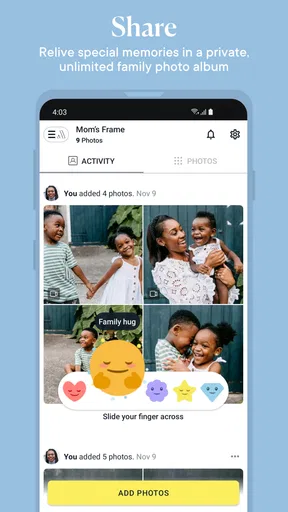
One of my favorite features? The ability to invite family and friends to add photos to your frame. It’s like having a shared album, but way cooler because it’s displayed on your wall. Plus, the app allows you to add captions and adjust the order of the photos. It’s a small touch, but it makes a big difference when you’re telling a story through your snaps.
Making contributions feel considered
Inviting other people to contribute can turn a frame into a living family album, but it is worth setting a few expectations before you share access. I would tell contributors what kind of pictures suit the display and whether you are building a particular collection, such as a visit, a birthday, or everyday family moments. That small bit of coordination helps keep the stream personal instead of letting it become an indiscriminate dump of every image people happen to have on their phones.
Captions and ordering are more useful than they first sound. A short note can explain who is in a picture or why a moment mattered, especially for relatives who were not there. Ordering lets you make a sequence feel deliberate: a few pictures from the start of a trip, then the highlight, then a relaxed family shot. I would use those controls sparingly, though. If you keep trying to curate every image into a perfect mini-story, maintaining the frame can become another chore rather than a pleasant background ritual.
A practical workflow is to send a small batch after an event rather than upload everything at once. Pick the pictures that are clear on a larger display, add a caption only where context would help, and let the rest stay in the phone gallery. This is a useful distinction for anyone wondering whether the app replaces photo storage: I see it as a way to select and share display-worthy moments, not a reason to abandon a separate library or backup routine.
Performance and Usability
In terms of performance, the app is smooth sailing all the way. No lag, no crashes, just pure, uninterrupted photo goodness. The interface is clean, making it easy to navigate even for the least tech-savvy among us. You can really tell that a lot of thought went into making this user-friendly.
And hey, for all you privacy buffs out there, rest easy knowing that your data is safe. Aura is committed to keeping your memories secure, which is always a relief in today’s digital age.
What to expect in everyday use
Imagine a family member has a frame in the living room, while you live somewhere else. After a weekend together, you choose a handful of photos on your phone, add a brief caption to the one that needs context, and send them for everyone at home to see. The recipient does not need to ask you to make a new album or remember to open a messaging thread; the pictures become part of the shared display. That is the particular kind of convenience I think this setup is built for.
It can also suit a couple or household that wants a gentle rotation of familiar moments in a common room. The value is less about displaying a huge archive and more about making a few selected pictures visible during ordinary routines: breakfast, a quiet evening, or a visit from friends. If you are choosing what to send, favor images with clear subjects and enough context to make sense at a glance. A phone screen encourages close inspection; a wall display is encountered from across a room, so not every favorite selfie or detailed image will have the same impact.
For someone helping a less confident relative, I would keep the arrangement simple: one person handles the frame setup, then a small circle of trusted contributors sends pictures. The app’s approachable feel is helpful here, but a shared system still works best when someone is willing to explain the basic routine and answer questions. If nobody wants to manage invitations or decide what belongs on the display, a conventional printed-photo gift may be easier and more personal.
Where it differs from ordinary photo apps
Compared with a phone gallery, a cloud photo library, or a shared album, Aura Frames has a narrower purpose. Those alternatives are better when you want to search a large collection, sort years of pictures, make edits, or keep a broad archive available across devices. This app’s distinctive strength is the path from choosing photos to displaying them on a compatible frame, with other people able to contribute. I would not switch photo libraries just for that; I would use the frame workflow alongside the tools I already rely on for storing and organizing originals.
That trade-off matters if you prefer a screen-free household or do not want another device to place and maintain. A frame can make photos more visible, but it also creates a shared surface that people may have different opinions about. Some will love seeing new pictures appear; others may prefer to choose what is shown themselves. Agreeing on contributors and the general tone of the collection avoids awkward surprises and keeps the feature feeling welcoming rather than intrusive.
There is also a difference between a frame and simply sending pictures in a chat. Messaging is quick and familiar, but images can disappear into a long conversation, and people have to open the thread to revisit them. A frame makes the selected photos part of the room. On the other hand, a chat is more flexible for discussion, reactions, and one-off sharing. I would use each for what it does well: conversations in messaging, a considered rotating display through the frame.
Small checks that make setup easier
Before committing to the workflow, make sure the frame owner and the people sending photos agree on who will contribute. It is a simple detail, but it prevents the person who received the frame from feeling that they have to manage a stream they never asked for. If the frame is a gift, I would explain that the app is part of using it and help the recipient get comfortable with the first few steps rather than assuming the device will be self-explanatory to everyone.
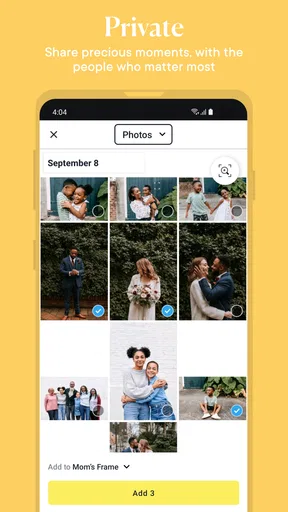
When choosing pictures from a cloud service or phone collection, I would start with a modest selection instead of trying to transfer a whole photographic history. That keeps the first experience focused and makes it easier to spot images that look good in a room. It also gives contributors a natural prompt: send a few meaningful shots, then add more when something worth sharing happens. This is one of the app’s less obvious strengths—the workflow can encourage people to choose memories intentionally rather than treating every photo as equally suited to display.
For privacy, I would be thoughtful about both the images and the people invited to contribute. A picture appropriate for a private phone album may not be right for a shared room, and a contributor list should reflect who the frame owner actually wants involved. Aura’s reassurance about keeping memories secure is welcome, but good judgment still starts with deciding what to share and with whom. If that level of shared access sounds uncomfortable, keeping photos in a personal gallery is the better fit.
Performance and version context
The version available now is 4.7.3487, and the app requires Android 8.0 or later. It was released on May 3, 2017, so this is an established companion rather than a brand-new experiment. I would still check that the phone you plan to use meets the operating-system requirement, especially if it is an older device, before making the app the center of a gift or household setup.
The reported smooth, straightforward experience is a real advantage for a tool intended to be used by people with different levels of technical confidence. Still, “easy” is relative: a first-time user must understand how the phone app relates to the frame, and anyone who helps relatives should leave time for that initial explanation. Once the arrangement is clear, selecting and sending a few photos is a much smaller task than asking someone to learn a complicated editing or cataloging system.
Who should choose it—and who should pass
I would recommend Aura Frames to someone who already has an Aura digital frame or is choosing one because a household wants photos displayed in a shared physical space. It is especially appealing for families who live apart, people who enjoy sending occasional updates to relatives, and anyone who wants a personal, ongoing alternative to a one-time photo gift. The free app makes the phone-side part accessible, though the value still depends on having the compatible frame in the picture.
I would skip it if your main need is a robust photo organizer, a place to edit images, a private archive, or a way to display pictures without buying or using a separate frame. A standard gallery or cloud library is more appropriate for browsing and managing a large collection; messaging is better for quick back-and-forth sharing; printed photographs may suit someone who does not want an app-connected device at home. Those are not failures of Aura Frames so much as clear boundaries around its purpose.
Final Thoughts
At the end of the day, the Aura Frames app is more than just a companion for your digital frame—it’s a gateway to reliving your most cherished moments. Whether you’re setting it up for yourself or gifting it to a loved one, it’s bound to bring a smile to anyone’s face.
If you’re someone who loves displaying photos and sharing memories with those around you, this app is definitely worth checking out. It’s like having a window into your personal gallery right in your living room.
So, what are you waiting for? Give it a whirl and let your photos shine!
My recommendation
My verdict is positive, with one important qualification: Aura Frames is compelling when the frame is already part of your plan. It gives photo sharing a visible destination and makes contributions from family and friends feel more lasting than a message that gets buried. The captions, ordering, and inviting workflow add useful personal touches without turning the experience into a project.
I would not treat it as an all-purpose answer to photo management, and I would be deliberate about who can contribute and what belongs on a shared display. If that sounds like the kind of small, thoughtful routine your household would enjoy, the app is worth considering. If you want only a private gallery or dislike having another screen in the home, choose a simpler alternative and keep your photos where they already work for you.
Pros
- Easy photo upload via app.
- High-resolution display quality.
- Compatible with cloud services.
- User-friendly interface.
- Remote access for family sharing.
Cons
- Requires Wi-Fi for updates.
- Slightly expensive for budget users.
- Limited internal storage.
- No video playback feature.
- Needs frequent app updates.
FAQs for Aura Frames
What is the primary function of the Aura Frames app?
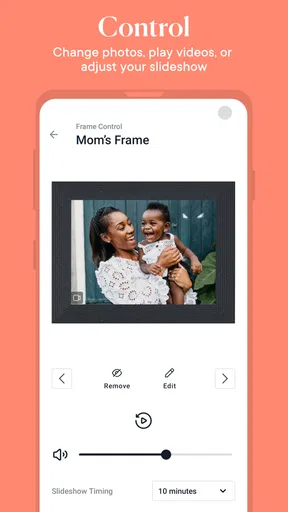
The Aura Frames app is designed to enhance the experience of digital photo frames by allowing users to easily upload, manage, and share photos directly from their smartphones. It provides a seamless way to curate photo collections, adjust frame settings, and invite family members or friends to contribute their own photos, making it a collaborative digital album.
Is the Aura Frames app compatible with both Android and iOS devices?
Yes, the Aura Frames app is available for both Android and iOS devices. Users can download it from the Google Play Store for Android and the Apple App Store for iOS. The app is designed to work seamlessly across both platforms, ensuring that users have a consistent experience regardless of their device type.
How do I share my photos with family and friends through the Aura Frames app?
Sharing photos through the Aura Frames app is simple. Users can invite family and friends to connect to their frame via email. Once connected, invitees can upload their photos directly to the frame using the app. This feature allows multiple contributors, making it easy to keep the frame updated with new memories from a variety of sources.
Does the Aura Frames app offer any privacy or security features?
Yes, the Aura Frames app prioritizes user privacy and security. It ensures that only invited users can contribute photos to your frame. Additionally, all data transfers are encrypted to protect personal information and uploaded content. Users have control over who can access their frames, offering peace of mind while sharing precious moments.
Can I manage multiple frames with a single Aura Frames app account?
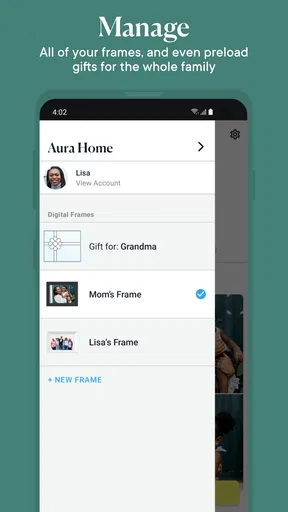
Absolutely, the Aura Frames app allows users to manage multiple frames from a single account. This feature is particularly useful for those who own multiple frames or wish to manage frames for family members. Users can switch between frames effortlessly, adjusting settings and uploading photos to each one as needed.


